Home » Physiotherapy » RSI Physio
Repetitive Strain Injury (RSI) is a common condition caused by repeated movements, prolonged postures, or sustained loading of muscles and tendons. It often affects the hands, wrists, forearms, elbows, shoulders, neck, and upper back—especially in people who work at desks, use computers extensively, or perform repetitive manual tasks.
Book an RSI physio appointment in Perth online or over the phone at 0493 112 916.
RSI is an umbrella term for pain and dysfunction that develops over time due to repeated micro‑stress on muscles, tendons, and nerves. Rather than being caused by a single injury, RSI builds gradually and can worsen if not managed properly.
RSI commonly develops when tissues are overloaded without enough recovery, often combined with poor ergonomics or technique.
RSI symptoms can vary depending on the area affected, but commonly include:
Aching or persistent pain in muscles or joints
Stiffness or tightness
Burning or throbbing sensations
Weakness or reduced grip strength
Tingling or numbness
Pain that worsens during or after repetitive tasks
Symptoms may initially ease with rest but can become constant if left untreated.
Repetitive Strain Injury is often linked to:
Prolonged computer or mouse use
Repetitive manual work
Poor posture or workstation setup
Sustained gripping or fine motor tasks
Inadequate breaks or recovery
Sudden increase in workload or training volume
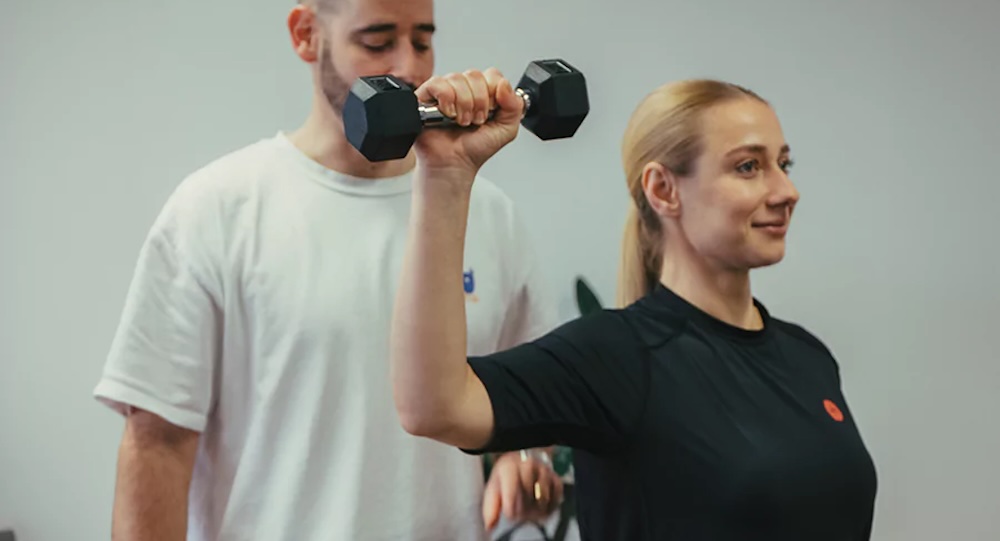
Physiotherapy plays a key role in both treating RSI and preventing recurrence. Our approach focuses on reducing pain, restoring normal movement, and addressing contributing factors.
Your RSI physio program may include:
Hands‑on therapy to reduce pain and muscle tension
Joint and soft tissue mobilisation
Strengthening and endurance exercises
Postural and ergonomic assessment
Education on load management and pacing
Workplace or activity‑specific advice
Our small, dedicated team in Perth are experts in RSI physio — from injuries to prevention.
Recovering from an RSI injury takes more than just time – it requires a structured and progressive rehabilitation plan. We combine evidence-based treatment with tailored exercise programs to help you rebuild strength, stability, and confidence.
Ready to start your recovery?
Gently stretches the muscles on the inside of the forearm to reduce tension from repetitive gripping or typing.
Targets the muscles on the outside of the forearm, helping relieve pain associated with prolonged mouse or keyboard use.
Improves forearm strength and control by rotating the palm up and down in a controlled manner.
Strengthens the finger extensors to balance repetitive gripping tasks and reduce tendon overload.
Encourages better posture and shoulder blade control, reducing strain through the neck, shoulders, and arms.
Maintains neck mobility and reduces stiffness that can contribute to upper limb RSI symptoms.
Will RSI go away on its own?
Mild cases may improve with rest, but without addressing the cause, RSI often returns. Physiotherapy helps fix the underlying problem.
Should I stop working or training completely?
Not usually. We focus on modifying load and technique rather than complete rest, which helps maintain strength and function.
How long does RSI recovery take?
Recovery time varies depending on severity and duration, but early treatment typically leads to quicker results.

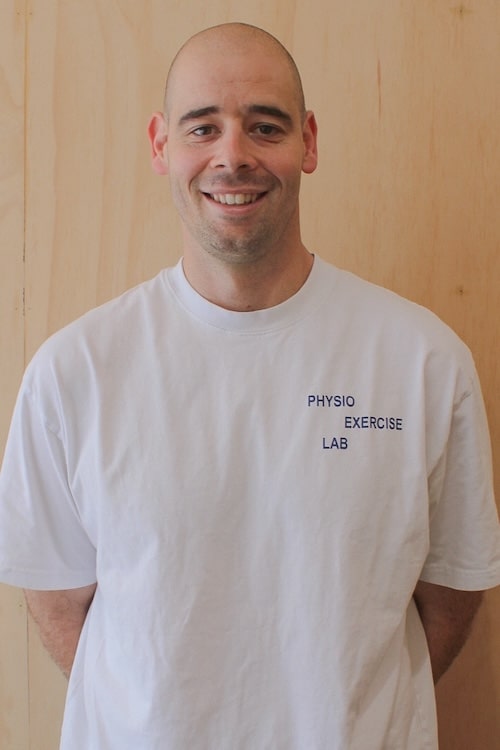
Director & Senior Physiotherapist
James started Physio and Exercise Lab after many years working in private practice; gaining experience in a vast range of sports and musculoskeletal injuries, post-operative orthopaedic rehabilitation, and hydrotherapy. He enjoys treating a variety of conditions coming through the clinic and is skilled in dealing with neck and; back pain, upper and lower limb injuries, vertigo and concussion, functional gym-based strengthening, as well as exercise/load prescription and training planning.
Physiotherapist
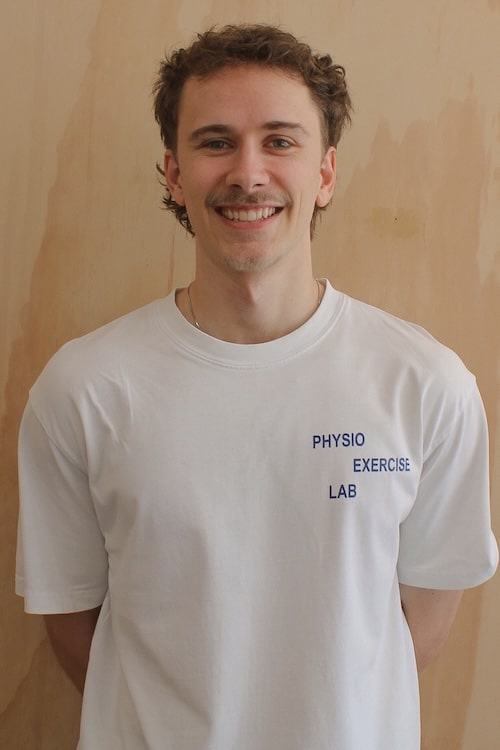
Kade has joined Physio and Exercise Lab after working at Albany Health Campus as an inpatient and outpatient Physiotherapist. Whilst working in Albany Kade developed a passion for treating patients with musculoskeletal and neurological deficits and decided to move back to Perth to pursue a career in private practice physiotherapy. Through his time at Albany Health Campus, Kade gained experience dealing in pre and post-operative rehabilitation, and is skilled in treating neck and back, as well as upper and lower limb musculoskeletal conditions.

Physiotherapist
Ella joined Physio and Exercise Lab in 2025 with a background in orthopaedic surgery and musculoskeletal rehabilitation. She has a keen interest in paediatric and adolescent injuries, strength and conditioning, cycling related injuries and functional neurological disorders. Ella also enjoys supporting women and older adults to improve their strength, fitness, and confidence through achievable, goal focused exercise programs. Ella has experience treating a broad range of musculoskeletal conditions and uses a blend of manual therapy, dry needling, targeted exercise rehab, education and strength and conditioning programs to improve patients understanding of their condition, build strength and effectively manage pain.
Repetitive Strain Injury (RSI) is considered a condition caused by repetitive motions or overuse of certain muscles, tendons, or nerves, usually linked to work-related tasks or specific activities. While it isn’t an injury in the traditional sense, RSI can lead to pain, inflammation, and sometimes long-term damage if left untreated. It most commonly affects areas like:
Common forms of RSI include carpal tunnel syndrome and tennis elbow. Physiotherapists treat RSI by addressing the root cause of the strain, improving posture, strengthening muscles, and using techniques like stretching, manual therapy, or ergonomic adjustments to relieve pressure and prevent further damage.
We begin with a comprehensive evaluation, involving a detailed history and physical assessment. Following this, we provide a clear diagnosis for your condition. Hands-on treatment commences as part of our approach. You’ll also receive a comprehensive management plan, which includes prescribed exercises and guidance on the recommended frequency and duration of your treatment.
Your second consultation, scheduled shortly after the initial visit, offers an opportunity for feedback and questions. A streamlined re-evaluation is conducted through a physical assessment, allowing you to experience treatment benefits. Subsequent consultations are geared towards supporting your recovery and achieving optimal outcomes for your pain or injury.
The time frame for improvement varies depending on the individual’s condition and response to therapy. Some may notice improvements within a few sessions, while others might need a longer period of consistent therapy.
Wearing comfortable clothing and shoes that allow for movement is recommended. Review our guide on what to what to wear to a physio appointment for more specific recommendations.
It’s also helpful to bring a list of your current medications and a summary of your medical history, including any diagnostic tests related to your vestibular condition.
There are no cancellation fees or 24-hour notice requirements. Just give us a call if you can’t make it to your appointment.
A doctor’s referral is typically not required to visit us unless your condition is associated with Workers Compensation, Motor Vehicle Injury, Veterans Affairs, or a Medicare Enhanced Primary Care plan. In most cases, you can directly schedule an appointment as all our physiotherapists are primary contact practitioners, capable of providing comprehensive care without the need for a referral.
If you have any questions relating to our services or any feedback for our team, please get in touch with us via phone, email, or contact form.